Table saws and push sticks for left-handed operators

By Mike Southpaw · Left-Handed Tool Tester
Published June 1, 2026
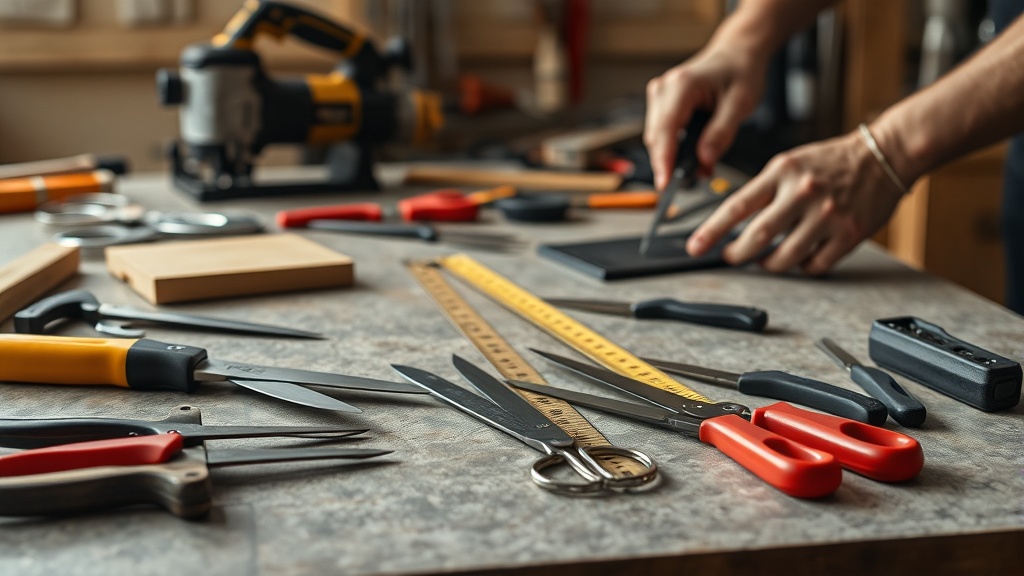
Table saws and push sticks for left-handed operators require careful consideration to ensure safety, comfort, and accuracy on the job. As a lefty who’s spent years cutting everything from rough lumber to delicate cabinet parts, I know firsthand how right-handed setups can slow you down and increase risk. Finding the right gear and learning how to adapt can make all the difference in your woodworking projects.
Key takeaways
- Most table saws are designed for right-handed users, but some models and setups work better for left-handed operators.
- Left-handed table saw blades and riving knives are usually symmetrical, but fence and miter gauge placement can impact workflow.
- Push sticks designed with lefties in mind improve safety by allowing natural hand positioning and leverage.
- Custom modifications and accessories can make right-handed table saws more comfortable for lefties.
- Safety and proper technique always come first, regardless of hand dominance.
What makes a table saw left-hand friendly?
When I first learned table saw basics, the majority of the tools felt like they were built against my natural left-hand flow. Most table saws place the fence to the right of the blade, which means your stock feed and control rely heavily on your right hand or forcing awkward left-handed maneuvers.
Blade and riving knife
The good news is that most blades and riving knives are ambidextrous — cutting is basically symmetrical. Since rotation and teeth direction remain standard, the blade itself doesn’t favor one hand.
Fence placement and control
The controlling factor for left-handed use is the fence and feed system. Most models put the fence on the right side, so you handle pushing wood with your right and controlling the fence with your left — a minor inconvenience for some but more of a hassle for natural lefties.
Some table saw brands and models have fences that slide or can be installed on the left side of the blade, giving you a much more intuitive setup. This layout enables you to feed stock with your dominant left hand closer to the fence, with more precise control.
Miter gauge and crosscuts
Miter gauges on many saws are designed for right-hand use, often positioned on the left side of the table. This usually aligns well with lefties since you hold and guide the stock with your right while operating the gauge with your dominant left hand. It’s not a perfect solution, but it often works out in practice.
Best table saws for left-handed operators
Here’s a quick table comparing some popular table saws with features that accommodate lefties, focusing on fence design, blade access, and control placement.
| Table Saw Model | Fence Position | Left-Hand Friendly Features | Price Range | Ideal Use |
|---|---|---|---|---|
| DEWALT DWE7491RS | Right side | Easy fence removal and adjustment, can switch | Mid | Portable, job site |
| SawStop PCS175-TGP236 | Right side (T-Glide) | Excellent safety features; large table for miter | High | Cabinet saw, serious hobbyist |
| Jet 708675PK XACTASAW | Right side | Fence can be reversed for left-hand feed | Mid to high | Workshop use, serious DIY |
| Grizzly G0690 | Right side | Heavy-duty with options for custom fence placement | Mid | Heavy fabrication |
| Makita 2705X1 | Right side | Large table, smooth fence; can modify fence side | Mid | Portable, professional use |
In my experience, switching fence sides or adopting models with adjustable fence positions offers the best practical improvement for left-handed users. Sometimes that means investing a little more initially or modifying a unit, but the payoff in workflow and reduced frustration is worth it.
Push sticks designed for lefties: safety meets comfort
Push sticks are indispensable for safely feeding narrow stock through a table saw while keeping your fingers clear of the blade. Many are ambidextrous, but left-handed versions optimize grip and leverage.
Types of push sticks commonly used
- Standard push stick: Usually a flat piece of wood or plastic with a notch on one end for pushing.
- Push block: A block with a handle on top, allowing you to apply downward pressure for better control.
- Push pad: Rubberized surface with a handle that grips stock more securely.
Left-handed push stick features to look for
- Handle designed to fit the left hand’s natural contours.
- Push notch oriented for comfortable left-hand use.
- Ability to apply downward and forward pressure ergonomically.
- Non-slip grip materials for safety.
My go-to push stick recommendations
I’ve tested several and found the following stand out for lefties:
- MicroJig Left-Hand Push Stick: Designed with an ergonomically shaped handle specifically for lefties. Offers great control, especially when working with thin material.
- Freud Push Stick/Block Combo: Though ambidextrous, its design fits well in lefties’ hands, and the push block shape improves downward pressure application.
- DIY push stick builds: Sometimes the best push stick is one you craft to your exact hand shape and needs — experiment with scraps, and add rubber pads for grip.
Adapting a right-handed table saw for left-handed use
If you’re working with a saw you already own or want to buy one with the best specs regardless of handedness, adapting it is a practical approach.
Fence reversal or switch
Some brands allow you to remove the fence and mount it on the left side of the blade. In others, you can’t, but you might find aftermarket left-side fences or rails that will fit.
Modify the push stick situation
A quick way to tailor safety is by acquiring or making a left-hand push stick or block. Combining this with push pads and featherboards on the left side of the table can help guide the stock and relieve strain.
Upgrade your miter gauge
Some miter gauges have ambidextrous handles or reversible stops to help you operate them more easily on the left side of the table.
Riving knife alignment and blade height
Always ensure your riving knife is correctly installed and visible. While these components are neutral regarding hand dominance, correct setup prevents kickback, especially important when feeding stock with your primary left hand.
Techniques to improve workflow and safety for lefties
Being left-handed means adjusting how you approach cuts, feedstock, and safety.
- Stand slightly to the left: Keep your dominant hand closest to the fence and hold the stock firmly with your left hand, using your right hand mainly for support.
- Use featherboards on the left: They keep boards tight to the fence, reducing reliance on your right hand to press the stock in place.
- Feed stock slowly, use push blocks: Take your time with narrow strips and use push devices designed for lefties. Don’t force awkward hand positions.
- Practice crosscut techniques: Use a miter gauge that lets you comfortably hold and guide stock with your right hand, leveraging your dominant left hand to control the gauge.
- Maintain blade and fence alignment: A square and smooth fence allows you to make confident, straight cuts without awkward hand pressure.
The safety lessons here are universal, but lefties sometimes need more deliberate practice to develop muscle memory that works.
Comparison checklist: Left-handed table saw features vs. typical right-handed models
| Feature | Left-Hand Friendly Saw | Typical Right-Hand Designed Saw |
|---|---|---|
| Fence location | Left of blade or switchable | Right of blade only |
| Fence adjustment | Easily accessible from left side | Right side control only |
| Miter gauge placement | Compatible with dominant left hand | Left side placement, sometimes awkward |
| Push stick compatibility | Left-hand ergonomic options available | Mostly ambidextrous or right-oriented |
| Blade access and cleanup | Designed for easy left-side adjustments | Right side optimized |
| Safety features | Riving knife, blade guard accessible both sides | Right-hand dominant shields and handles |
FAQ
Can I safely use a right-handed table saw if I’m left-handed?
Yes, many left-handed woodworkers safely use right-handed table saws with some practice and adjustments. You can add left-specific push sticks, use featherboards, or modify fence setup if possible to improve comfort and safety.
Are there table saws made specifically for left-handed users?
Dedicated left-handed table saws are rare on the market. Most professional or cabinet saws are ambidextrous but designed with right-hand workflows in mind. However, some models allow fence repositioning, which helps left-handed operators immensely.
What push sticks work best for left-handed woodworkers?
Push sticks with ergonomic left-hand grips, angled push notches, or push blocks designed for downward and forward pressure are ideal. The MicroJig left-hand push stick is a favorite among lefties for its thoughtful design.
Is modifying my saw’s fence or controls worth it?
If you spend significant time cutting or woodworking, investing in fence repositioning or left-hand accessories can boost accuracy and reduce fatigue. For occasional users, using push sticks and practicing safe cutting techniques might be enough.
How do I avoid kickback when feeding stock left-handed?
Maintain correct riving knife alignment, use appropriate push sticks or blocks, keep the stock tight to the fence with featherboards or clamps, and feed slowly with attention to your dominant hand’s control and stability.
Finding the right table saw and accessories as a left-handed operator is all about understanding your workflow and customizing your gear. While the market skews right-handed, a few strategic decisions and gear upgrades can turn any bench into a safe, efficient workspace designed around your left-hand advantage. Whether buying new or adapting your current saw, focus on fence placement, use ergonomic push sticks, and always respect the blade’s power. Happy cutting!