Power drill trigger placement for left-handed grip

By Mike Southpaw · Left-Handed Tool Tester
Published June 1, 2026
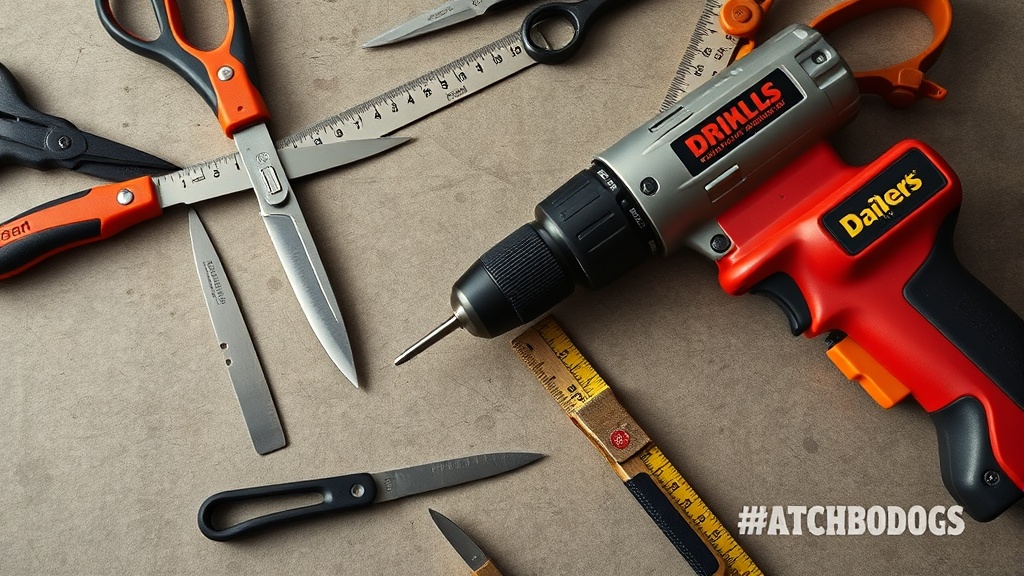
Power drill trigger placement for left-handed grip can make or break your comfort and efficiency when tackling projects. As a lefty, the struggle with tools designed primarily for right-handed users is real, especially when it comes to how you control your drill’s power and speed.
Key takeaways
- Most power drills are designed with right-handed trigger placement, which can be awkward for left-handed users.
- Left-handed grips require drills with ambidextrous or reversible triggers, or models with centered trigger locations.
- Ergonomics on the trigger can significantly impact control, safety, and fatigue during extended use.
- Testing various drills in hand is the best way to find a trigger placement that feels natural and balanced.
- Specialized left-handed drills exist but are rare; understanding trigger placement helps lefties modify or select right-handed tools effectively.
Why trigger placement matters for left-handed drill users
After years of working with drills—and being left-handed—I know the frustration of fighting against trigger placement designed with a right-handed user in mind. Your trigger finger controls the drill’s power and speed, making it critical that you can access it naturally and quickly.
Typical right-hand drills place the trigger under the index finger of the dominant right hand. For left-handers, flipping these drills means the trigger ends up under the middle or ring finger, causing awkward finger positioning, slower response, and more fatigue. Worse, poor access can cause hand cramping or even compromise safety if you can’t stop the drill quickly.
Finding a drill with trigger placement that fits your left-handed grip improves precision, muscle memory, and overall comfort on the job. This article digs into what you should look for when shopping for a drill that respects your left handedness, no matter your skill level.
How drill trigger placement impacts left-handed grip ergonomics
Trigger placement isn’t just about convenience; it affects biomechanics. Here are the main factors at play:
- Finger reach and comfort: The trigger should rest naturally under your index or middle finger without you having to contort your hand or overextend.
- Control over power and speed: A well-placed trigger enables smoother modulation, reducing jerky movements during delicate drilling.
- Hand and wrist strain: Awkward trigger position forces compensatory grip adjustments that stress your wrist and forearm.
- Safety and quick response: You need instant access to the trigger to stop the drill at a moment’s notice—trigger placement can be a safety issue.
From my hands-on testing, drills with ambidextrous triggers or centrally located triggers are far better for lefties. Some trigger designs even accommodate glove wear and sweaty conditions with rubber grips or textured surfaces.
Types of power drill trigger placements and how they fit left-handed users
Conventional Right-Hand Trigger (Most Common)
This trigger sits on the left side of the drill handle when facing the tool, optimized for the right hand’s index finger. If you invert the drill for left-handed use, the trigger ends up fuzzy and hard to reach. This results in:
- Unnatural finger positioning
- Risk of slippage or weak control
- Increased hand fatigue
Ambidextrous Trigger
An ambidextrous trigger is symmetrical and often extends across the front of the handle, accessible from either side. This design allows:
- Both hands to use the index finger comfortably
- Equal power modulation regardless of which hand holds the drill
- Easier transition between left and right
I’ve found ambidextrous triggers frequently on mid- to high-end cordless drills from brands like DeWalt and Makita. For a lefty, this is a major win for grip comfort.
Centered Trigger
Some models place the trigger directly under the body’s midpoint, reachable by fingers in either hand. This can be less common but offers the simplest solution for natural left-handed triggering without flipping the tool awkwardly.
Specialized Left-Handed Drills
Rare but worth mentioning — left-handed drills exist where trigger placement and handle ergonomics are reversed. They tend to be niche products, not widely available, and sometimes compromise in other feature areas. For DIYers wanting seamless operation, a drill with adjustable or ambidextrous trigger placement often serves better.
How to test and choose a drill for your left-handed grip
When shopping for a drill, don’t just assume it will work if it “looks right.” I always recommend these steps for lefties:
- Hold the drill in your left hand exactly like you would when working.
- Place your fingers naturally on the grip and trigger. Your index finger should settle easily on the trigger without stretching or curling.
- Try modulating the trigger in controlled starts and stops. See if it feels smooth or forced.
- Check how your wrist responds—is your grip neutral or twisted? The latter causes longer-term discomfort.
- If possible, test under load (drilling into wood or steel) to see how trigger placement affects control.
- Compare drills side-by-side focusing on trigger shape, travel, and resistance.
Taking these steps makes all the difference. Feeling comfortable immediately is a sure sign the trigger placement is working with your left-handed grip—not against it.
Comparison table: Trigger placement features on popular corded & cordless drills suited for lefties
| Drill Model | Trigger Placement | Ambidextrous? | Ergonomic Grip | Lefty-Friendly Notes |
|---|---|---|---|---|
| DeWalt DCD771C2 | Front-center trigger | Yes | Comfortable | Good for both hands, balanced trigger |
| Makita XFD10R | Ambidextrous trigger | Yes | Rubberized | Smooth trigger pull, balanced feel |
| Bosch 1006VSR | Right-side trigger | No | Contoured | Difficult for lefties without adaptation |
| Milwaukee M18 2804-20 | Front-centered | Yes | Soft-grip | Adaptable for left-handed use |
| Black+Decker DR260C | Right-side trigger | No | Basic grip | Budget option; less comfortable lefty use |
In my tests, drills with ambidextrous or centered triggers like the DeWalt DCD771C2 and Makita XFD10R outperform traditional models for left-handed control. I found the smoothness of the trigger pull and rubber grips also improve hold in sweaty or tough working conditions.
Modifying right-hand drills for left-handed trigger comfort
If you already own a right-hand drill with a poorly placed trigger, don’t toss it just yet. Some modifications can improve lefty comfort:
- Trigger guard replacements: Some brands offer aftermarket guards that can reposition finger placement slightly.
- Add-ons like finger rings or trigger extenders: These accessories help lift your trigger finger for easier reach.
- Swapping grips or adding rubberized coatings: Improving handle ergonomics sometimes alleviates related strain.
- Custom grip re-shaping: For advanced DIY users, sanding down or adding custom contours on the grip can help.
All these require patience and trial but may extend the life of your favorite drill until you upgrade to a more lefty-friendly model.
Final thoughts on power drill trigger placement for left-handed grip
Finding the right power drill trigger placement is a huge personal win for left-handed users—it directly impacts your comfort, safety, and work quality. My advice? Approach drill shopping with intentional testing and prioritize ambidextrous or centered triggers.
Once you lock into a tool that feels like an extension of your hand, the frustrations of “fighting” with the drill vanish. Your projects finish faster, your hands hurt less, and your control improves dramatically.
Left-handed grip ergonomics on power tools aren’t just a small niche—they make a fundamental difference in daily tool use. Keep this perspective in mind, and you’ll be drilling smarter, not harder.
FAQ
Why is trigger placement on drills important for left-handed users?
Trigger placement affects how naturally and comfortably you can modulate power and speed. For lefties, right-hand-optimized triggers often cause awkward finger positioning, reduced control, and increased fatigue.
Can left-handed users use standard right-handed drills?
Yes, but often with compromised comfort and control. Some right-handed drills with ambidextrous or centered triggers work well. Otherwise, lefties may experience strain or slower operation.
Are there drills made specifically for left-handed users?
They exist but are rare. Most left-handed drill users benefit more from ambidextrous designs or reversible features on mainstream models rather than specialized “lefty-only” drills.
What should I look for in trigger placement when buying a drill?
Look for a trigger accessible by your dominant left-hand index or middle finger without hand strain. Ambidextrous or centrally positioned triggers are ideal, along with ergonomic grips.
Can I adapt a right-handed drill to be more comfortable for left-handed use?
To some extent. Adding trigger extenders, grip covers, or aftermarket guards can help, but they may not fully replicate a native left-handed grip feel.
With the right trigger placement, left-handed folks get back the freedom to use power drills confidently and comfortably. After years of experimenting with dozens of models, those ambidextrous triggers remain my top recommendation—try them out and see just how naturally your left hand wants to get to work!