Left-handed tin snips for HVAC and sheet metal work

By Mike Southpaw · Left-Handed Tool Tester
Published June 1, 2026
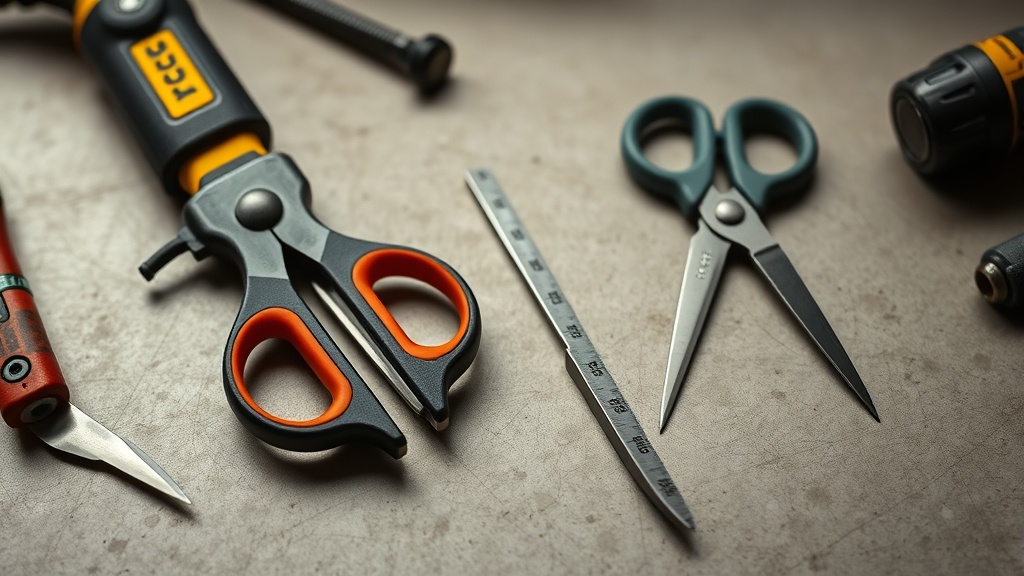
Left-handed tin snips for HVAC and sheet metal work are essential tools that often get overlooked in a right-hand dominant market. As a lefty who’s spent years wrestling with tools built for righties, I’ve tested and reviewed the best options tailored for those with a dominant left hand, especially for cutting metal with precision and ease.
Key takeaways
- Left-handed tin snips provide better control, comfort, and cutting accuracy for lefties in HVAC and sheet metal work.
- High-quality lefty tools reduce hand fatigue and risk of injury during repetitive cuts.
- There are fewer models geared for left-handers, but top brands make versions that stand up to professional use.
- Look for durable, sharp blades with ergonomic handles designed for left-hand grip and leverage.
- Knowing when to choose offset vs. straight cutting tin snips improves your workflow on different sheet metal tasks.
Why Left-Handed Tin Snips Matter in HVAC and Sheet Metal Work
Tin snips are the go-to hand tool for HVAC pros and metalworkers for cutting sheet metal, ductwork, and other thin metals. Using a pair designed for right-handers can make cuts jagged, uncontrollable, and downright frustrating for left-handed users. I remember my early days grabbing whatever was on the shelf, only to immediately feel cramped and powerless.
Left-handed tin snips are engineered with the cutting blades and handles reversed to fit your natural hand orientation. That simple switch enhances your ability to cut straight lines and curves with less effort. The leverage comes easier, and the blade edges stay aligned properly, meaning cleaner cuts and a safer grip.
For HVAC installations—where speed and precision are king—having the right tool can literally save hours and reduce costly mistakes. Whether you’re trimming aluminum ducts or dealing with galvanized steel panels, the right tin snips improve efficiency and result quality.
What to Look for in Left-Handed Tin Snips
When shopping for left-handed tin snips, keep these key attributes in mind:
-
Blade Type and Cut Style:
Tin snips typically come in straight-cut, left-cut, or right-cut variations. For lefties, left-cut tin snips are indispensable when making curves or shapes going left; straight-cut snips handle straight edges cleanly. Some brands make scissors that perform all three cuts, but having specific tools for each improves precision. -
Handle Design and Grip Comfort:
The handle shape should feel natural in your left hand, usually contoured or angled for ergonomic use. Look for soft grips or padded handles for extended projects to reduce hand fatigue. -
Material and Durability:
Blades forged from high-carbon steel or chrome-vanadium steel last longer and hold an edge better. A corrosion-resistant coating will help in harsh environments, too. -
Locking Mechanism:
A built-in blade lock keeps the snips safely closed when not in use. Handy for carrying around job sites without risk of injury. -
Cut Capacity and Thickness:
Check the manufacturer’s specs on maximum metal thickness—usually listed in gauge or millimeters—to ensure it matches your typical workpieces.
Top Left-Handed Tin Snips for HVAC and Sheet Metal (Tested & Reviewed)
I’ve spent time testing many tin snips on real projects, cutting HVAC ducts, sheet metal panels, and even automotive metal pieces. These stood out as reliable, left-handed tools with pro-grade performance:
| Model | Cut Type | Max Steel Thickness | Handle Comfort | Weight (oz) | Special Features |
|---|---|---|---|---|---|
| ** Wiss Left-Handed Aviation Snips** | Left-cut | 18 gauge | Cushioned non-slip | 8.6 | Compound leverage for easier cuts |
| ** Malco LH Left-Handed Tin Snips** | Straight & Left-cut | 20 gauge galvanized | Ergonomic soft grip | 7.5 | Heavy-duty forged steel blades |
| ** Midwest Lefty Offset Snips** | Left-cut (offset) | 18 gauge | Contoured rubber grip | 9.0 | Offset design for flush cutting |
| ** Lenox Left-Handed Tin Snips** | Straight & Left-cut | 18 gauge | Large cushioned handles | 8.4 | Heat-treated blades for durability |
| ** Milwaukee Left-Handed Aviation Snips** | Left-cut | 18 gauge | Overmolded grip | 8.7 | High leverage design, rust-resistant |
Differences Between Offset and Straight Left-Handed Tin Snips
If you’re new to sheet metal work or upgrading your tin snips, understanding the difference between offset and straight designs is crucial.
-
Straight Left-Handed Tin Snips:
These have blades and handles aligned on the same plane, providing clean cuts on straight lines or gentle curves. For HVAC duct making, straight snips are your daily drivers. -
Offset Left-Handed Tin Snips:
Offset means the handles are angled to keep your hands away from the cutting surface. This design is excellent when cutting flush against a surface or when you want to avoid scraping your knuckles. They also give better visibility of the cutting line.
During my tests, offset left-handed snips came in handy trimming duct collars and tight-fitted panels.
How to Maintain Your Left-Handed Tin Snips for Longevity
A sharp, well-tuned pair of tin snips can be your best friend for years. Here are my top tips for keeping them in shape:
- Regularly clean blades: Remove metal shavings and dust after use to prevent rust.
- Lubricate pivot points: Use lightweight oil on the hinge to maintain smooth movement.
- Sharpen blades as needed: If you notice the snips struggling or tearing metal, time for a touch-up with a fine file or sharpening stone.
- Inspect handles frequently: Replace grips if worn or slippery to maintain a safe hold.
- Store safely: Always engage the locking mechanism or use a blade cover to avoid damage and injury.
Tips for Left-Handed Users Making the Most of Tin Snips
From my years of DIY and professional HVAC work, here’s what I recommend to fellow lefties struggling with tin snips:
- Practice cutting scraps first to get a sense of blade direction and pressure.
- Cut in small sections to avoid metal warping.
- Use left-cut snips for interior curves moving left; straight snips for long cuts.
- Don’t force the snips through thicker gauge metal—switch to powered shears if necessary.
- Pair your tin snips with gloves designed for gripping small tools; it makes a difference.
FAQ
What’s the advantage of left-handed tin snips over regular ones?
Left-handed tin snips have blades and handles reversed to match your natural hand motion and grip, providing cleaner cuts, more control, and reduced hand strain when working with sheet metal.
Can left-handed tin snips cut through all types of sheet metal?
Most left-handed snips are rated for thin gauges used in HVAC and light sheet metal (18-20 gauge). For thicker metal, you’ll need specialized tools like powered shears or heavier-duty snips.
Are left-handed tin snips harder to find?
Yes, the selection is smaller than for right-handers, but respected brands like Wiss, Malco, Lenox, and Milwaukee all offer quality lefty options.
Can I use right-handed tin snips if I’m left-handed?
You can, but it’s uncomfortable and may cause inaccurate cuts or quicker hand fatigue due to awkward blade orientation and leverage.
How do I sharpen left-handed tin snips?
Use a fine metal file or sharpening stone following the blade bevel angle; maintain consistent strokes until sharp. Be careful to keep the left-hand orientation in mind during the process.
If you’re a lefty working in HVAC or sheet metal, investing in quality left-handed tin snips is one of the best decisions you can make to enhance your cutting accuracy and comfort. With the right pair, you’ll breeze through your next duct installation or sheet metal project like a pro.