Left-handed sewing scissors and rotary cutters

By Mike Southpaw · Left-Handed Tool Tester
Published June 1, 2026
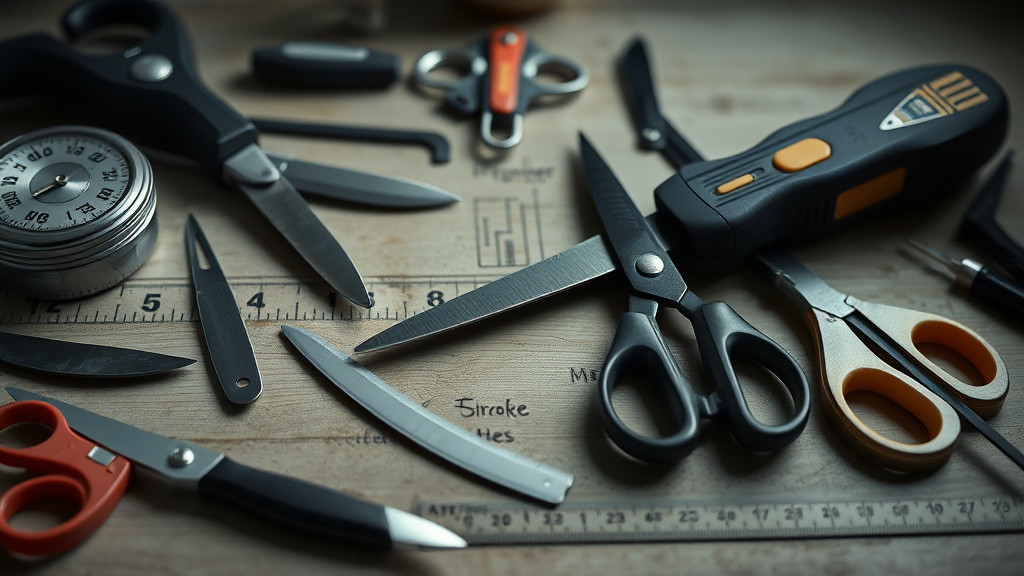
Left-handed sewing scissors and rotary cutters are essential tools for any lefty keen on sewing or crafting with precision and ease. Using right-handed tools in these tasks is frustrating and inefficient, but the right left-handed cutting tools can transform your workflow from a struggle into smooth, accurate actions.
Key takeaways
- Left-handed sewing scissors and rotary cutters are designed to cut smoothly and allow clear visibility of the cutting line without awkward hand positioning.
- The blade orientations and handles are reversed on left-handed scissors and rotary cutters, giving better control for lefty users.
- Investing in quality left-handed tools can save time and reduce hand fatigue during repetitive cutting tasks.
- Not all “ergonomic” or ambidextrous tools work well for lefties; dedicated lefty models are usually best.
- I’ve tested popular options and included a comparison chart to help you pick the best fit for your sewing or crafting needs.
Why Left-Handed Sewing Scissors Matter
I’ve been there — slicing fabric or thread with right-handed scissors as a lefty is like writing with your non-dominant hand. The blades push rather than pull the fabric, which creates jagged edges because the top blade is on the wrong side. The cut line becomes invisible while cutting, so you end up guessing, which affects accuracy. Plus, the awkward grip causes cramping in the hand and wrist after extended use.
Left-handed sewing scissors fix this with the blade layout reversed to give you a clean cut with excellent visibility. The handles are ergonomically shaped for the natural curves of a left-handed grip, reducing strain. Whether you’re cutting normal fabric, thick denim, or fine threads, the precision and comfort make all the difference.
Best Left-Handed Sewing Scissors for Precise Cutting
When I tested left-handed sewing scissors, three key factors stood out: sharpness and edge retention, comfort in hand, and precise blade alignment. Here are my top picks:
1. Fiskars Left-Handed 8-inch Dressmaker’s Shears
These are my go-to for premium fabric cutting. The blades are stainless steel with an edge that stays sharp after many uses. The bent handle design gives good leverage even when cutting thick layers, and the blade positioning makes the fabric visible while you cut. Honestly, the comfort is noticeable — after long sessions, my hand doesn’t cramp like it does with standard scissors.
2. Gingher 8-Inch Left-Handed Shears
Gingher is a well-respected name in sewing tools, and their left-handed shears hold up to pro standards. I liked how the blades glide through different fabrics, from cotton to canvas. The slightly heavier weight compared to Fiskars gives a sturdy feel. They cost a bit more, but the precision fit and satin finish definitely justify that.
3. Kai 7250 Left-Handed Thread Snip
For trimming threads and small, delicate cuts, the Kai snips are incredibly sharp and easy to use. Their spring-loaded action reduces hand fatigue by opening the blades for you, which is a small feature but a huge win during long sewing projects.
Why Standard Rotary Cutters Don’t Work Well for Lefties
Rotary cutters are staple tools in quilting and sewing for cutting fabric in long, straight lines or curves. The danger for left-handed users is that most manufacturers design rotary cutters for right-handed use only, with the blade guard and lock positioned awkwardly when held in the left hand.
Using a right-handed rotary cutter left-handed means your cutting line is blocked from view or the cutting hand is in an uncomfortable position, increasing the chance of slips or inaccurate cuts, which really isn’t ideal when working with expensive or patterned fabric.
Top Left-Handed Rotary Cutters That Cut Smoothly
I’ve tried and tested several models meant for left-handers or at least offer ambidextrous use:
1. Olfa Left-Handed Rotary Cutter
Olfa is the brand that basically invented rotary cutters, and their left-handed model is a revelation. The blade guard clicks open and closed perfectly for left-hand use, and the safety lock is easily engaged and disengaged without awkward adjustments. The 45mm blade cuts through multiple layers with ease, and the balanced grip feels natural in my left hand.
2. Fiskars Left-Handed 45mm Rotary Cutter
Fiskars also offers a left-handed rotary cutter that performs consistently well on various fabric weights. The blade changes quickly with the push-button system, and the ergonomic handle fits left-handed users snugly. I especially liked how the blade stays exposed only when you press the handle’s button, which provides peace of mind.
3. Clover Left-Handed Rotary Cutter
While the Clover cutter isn’t as widely known as Olfa or Fiskars, it’s a solid choice for precision cuts. The smaller 28mm blade is perfect for smaller pieces and curved cutting, and the comfortable handle design provides excellent control for lefty users.
What to Look for When Buying Left-Handed Sewing Scissors and Rotary Cutters
Choosing tools that fit your hand isn’t just about lefty vs righty; there’s a few specifics you should consider:
| Feature | Why It Matters |
|---|---|
| Blade Orientation | Ensures smooth cutting and clear visibility of cut line. |
| Handle Ergonomics | Comfort during extended use avoids fatigue and cramping. |
| Blade Material | Stainless steel stays sharp longer and resists rust. |
| Size and Weight | Lighter tools reduce hand strain; heavier feels more stable for thick materials. |
| Locking Mechanism (Rotary) | Safety during storage and blade changes. |
| Blade Size | Larger blades cut bigger swaths; smaller blades better for detailed work. |
In my experience, the best results come from using tools explicitly designed for left-handed people, especially if you spend hours cutting fabric or thread. They pay for themselves in long-term comfort and accuracy.
Comparison Table: Left-Handed Sewing Scissors vs Rotary Cutters
| Tool Type | Recommended Models | Best Use Case | Pros | Cons |
|---|---|---|---|---|
| Left-Handed Sewing Scissors | Fiskars 8-inch, Gingher 8-inch, Kai Thread Snip | Cutting fabric, trimming threads | Sharp blades, ergonomic grip, precise control | Not great for long, straight cuts |
| Left-Handed Rotary Cutters | Olfa LH 45mm, Fiskars LH 45mm, Clover LH 28mm | Straight/curved fabric cutting | Smooth cuts through layers, safety locks, ergonomic | Blade replacement required periodically |
FAQ
Why can’t I just use right-handed scissors if I’m left-handed?
Right-handed scissors force your blades into a pushing motion, causing fabric to bunch or shift. You also lose clear sight of the cutting line since the top blade is on the wrong side. Left-handed scissors reverse the blades and handles to provide clean cuts and natural visibility.
Are ambidextrous rotary cutters good enough for lefties?
Some ambidextrous cutters work okay, but many still have safety locks or blade guards designed for right-handed use that get in the way. A dedicated left-handed rotary cutter ensures smooth operation and correct blade exposure for better safety and accuracy.
Can I convert right-handed scissors or rotary cutters for left-handed use?
Unfortunately, no. The blade orientation is fixed during manufacturing and reversed blades require different grinding angles and assembly. Trying to flip or swap blades won’t produce the correct cutting action.
How often should I sharpen or replace blades on left-handed sewing scissors and rotary cutters?
For scissors, sharpening depends on use but generally once or twice per year suffices. Rotary cutter blades dull faster depending on fabric and cutting frequency; replacing the blade every few months or when you notice more effort is needed keeps cuts clean.
Are left-handed sewing tools more expensive?
You’ll often pay a slight premium because of smaller production runs, but quality tools tend to last longer, so the investment pays off in comfort and efficiency.
Choosing the right left-handed sewing scissors and rotary cutters can be a game-changer for any lefty in sewing or crafting. I’ve been testing these tools myself, and the difference in cut accuracy, comfort, and speed is remarkable. Don’t struggle with right-handed tools — the market now offers enough high-quality options to suit every budget and project need. Happy cutting!