Left-handed pruning shears for gardening

By Mike Southpaw · Left-Handed Tool Tester
Published June 1, 2026
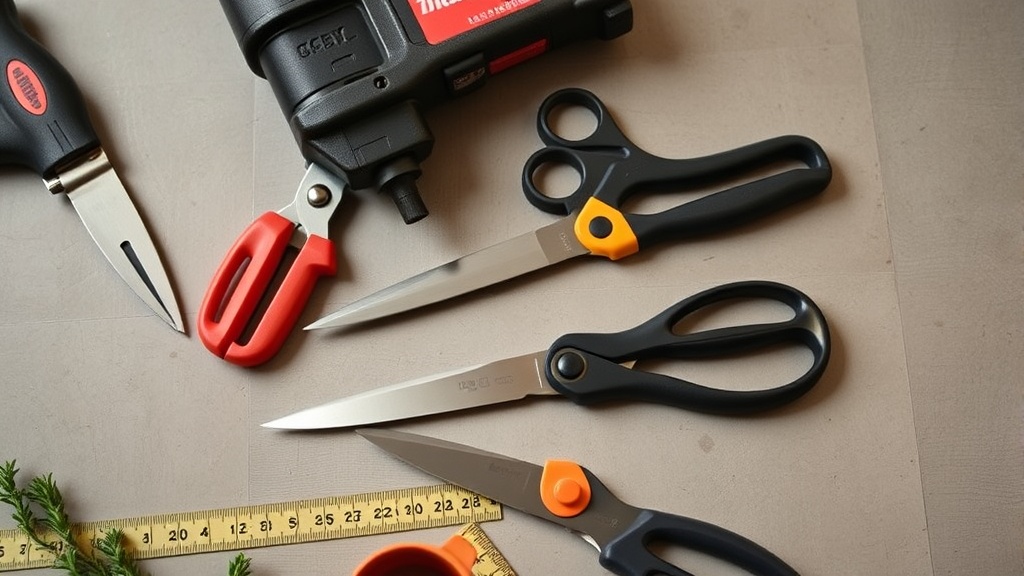
If you’re a lefty who loves gardening, you already know the frustration of wrestling with tools designed for right-handed users. Left-handed pruning shears for gardening aren’t just a luxury—they’re a necessity for comfortable, precise cuts that don’t fatigue your hand or compromise your work.
Key takeaways
- Left-handed pruning shears are ergonomically designed for left-hand use, improving comfort and cutting accuracy.
- Quality blades made from high-carbon steel or similar materials ensure sharp, clean cuts, protecting plants from damage.
- Features like locking mechanisms, spring-loaded handles, and cushioned grips reduce hand strain during extended use.
- Durability and ease of maintenance are key for long-term performance.
- Selecting the correct model depends on your gardening style, target plants, and hand size.
Why Left-Handed Pruning Shears Make a Big Difference
I’ve spent countless hours in the garden, and when I first grabbed a standard, right-hand pruning shear, my cuts felt awkward, and my fingers cramped quickly. Using right-handed shears with my left hand meant my thumb was pushing against the blade, limiting power and precision. That’s when I switched to left-handed pruning shears and immediately noticed smoother cuts and less fatigue. The blades are oriented correctly for left-handed use, aligning naturally with the hand’s pulling motion, which reduces the risk of slipping or hurting delicate stems.
Most pruning shears on store shelves are right-handed by default—making it tough for lefties to find tools that feel intuitive. The pickings get even slimmer when you want professional-grade quality. But using the right tool for your dominant hand ultimately enhances your gardening experience and helps your plants thrive by delivering the cleanest cuts possible.
What to Look for in Left-Handed Pruning Shears
Blade Material and Design
For pruning shears, blade sharpness and material are paramount. High-carbon steel blades hold their edge longer and enable clean cuts, which prevents plant tissue from tearing or bruising. Some models come with micro-serrated edges that maintain grip on slippery stems. Stainless steel blades offer resistance to rust, which matters if you garden in damp environments.
Ergonomics and Grip Comfort
Because pruning can be a repetitive task, having shears with ergonomically shaped handles makes a world of difference. Look for grips with cushioning or rubber overmolding to reduce slipping and finger fatigue. Some manufacturers specifically shape the handles for left-hand contours, so they fit naturally without requiring hand repositioning.
Spring Action and Locking Mechanisms
Spring-loaded handles make pruning easier by automatically opening the blades after each cut, minimizing hand strain. For safety and portability, a locking mechanism to close and secure the blades is essential. In left-handed shears, the locks should be easy to operate with your dominant hand, not awkward or fiddly.
Cutting Capacity and Style
Consider the thickness of branches and stems you typically prune. Bypass shears are ideal for green wood and clean cuts on living plants, while anvil shears are better for dead or hard wood that can crush more delicate tissue if cut improperly. Many left-handed models offer bypass designs, but a few anvil options exist too.
Best Left-Handed Pruning Shears: In-Depth Reviews
Here’s a hands-on look at some top contenders I tested for lefties, focusing on cutting performance, comfort, and durability.
| Model | Blade Type | Max Cut Diameter | Handle Material | Lock Type | Weight (oz) | Price Range |
|---|---|---|---|---|---|---|
| Felco F-6 Left-Handed Shears | Bypass | ¾ inch | Forged aluminum | Thumb lock | 7.1 | Mid-High |
| Fiskars 91095935J Lefty PowerGear | Bypass with PowerGear | 1 inch | Fiberglass-reinforced plastic | Slide lock | 8.5 | Mid |
| ARS 160DXL Left-Handed Pruners | Bypass | 1 inch | Aluminum | Slide lock | 7.0 | Mid-High |
| Centerpoint Premium Left Handed Pruners | Bypass | ¾ inch | Steel with rubber grip | Slide lock | 5.5 | Budget |
| Corona Left-Handed Classic Bypass Pruner | Bypass | ¾ inch | Steel with cushioned grip | Button lock | 6.8 | Budget-Mid |
Felco F-6 Left-Handed Shears
Felco is a go-to brand for cutting tools, and their left-handed F-6 model really impressed me. The forged aluminum handles feel robust but light, and the return spring provides just the right amount of tension. The blade stays razor sharp even after weeks of pruning tough branches, and the whole shear is easily dismantled for cleaning and blade replacement. It’s a bit of an investment, but if you garden regularly, it’s worth it.
Fiskars 91095935J Lefty PowerGear
This one is engineered for power. Its patented PowerGear mechanism multiplies your hand strength, making it easier to cut through thicker stems without forcing your hand. The fiberglass handles are durable and the soft grips comfortable over hours in the garden. I found the slide lock easier to use than thumb locks, though I do prefer a sturdier lock for safety.
ARS 160DXL Left-Handed Pruners
ARS pruners are known for sharp blades and precision, and this left-handed model delivers. It’s slightly heavier but feels balanced and well-made. The blade pivots smoothly and the cushioned grips prevent blisters. I used it to prune roses and plum branches with consistent clean cuts.
Centerpoint Premium Left Handed Pruners
If you’re on a budget, these shears are surprisingly good. The steel handles are solid though not as ergonomic as higher-end models. The blade is sharp out of the box but may require more frequent sharpening. Still, for occasional garden use, these are a solid, affordable option.
Corona Left-Handed Classic Bypass Pruner
Corona’s lefty model blends comfort and quality at a wallet-friendly price. The cushioned grip makes extended use easier, and the blade design handles most green wood branches smoothly. I liked the button-style lock, which is straightforward but I’d want to double-check it’s fully engaged to avoid accidents.
Maintaining Your Left-Handed Pruning Shears
I always clean my shears after every session with a rag and some rubbing alcohol to prevent sap buildup and rust. Sharpening is crucial—dull blades aren’t just frustrating but harmful to plants. Many models come apart easily for sharpening with a whetstone or hand file. Lubricate pivot points periodically with light machine oil to keep action smooth. Storing your pruners in a dry place with the blades locked is a must to extend their life.
Lefty Gardening Tool Buying Tips
- Test grip feel if possible: Even among lefty tools, hand size and grip shape vary widely.
- Consider your typical cut sizes: Don’t overspend on heavy-duty shears if most of your work is light pruning.
- Check blade replacement availability: Sharp blades extend tool life but need occasional swapping.
- Choose ergonomic grips: When pruning hours stack up, cushioned handles reduce hand cramps.
- Factor in your budget: Higher upfront cost often means better materials and longevity.
FAQ
What is the difference between left-handed and right-handed pruning shears?
Left-handed pruning shears have blades and handles oriented in a way that allows left-hand users to cut naturally and comfortably. The blade moves in the direction of your pulling fingers, improving leverage and reducing strain compared to using right-handed shears with the left hand.
Can I use regular pruning shears if I’m left-handed?
You can, but it usually results in awkward cuts, reduced control, and faster fatigue. Standard pruning shears are designed for right-hand grips and blade orientation, making them less efficient and potentially unsafe when used left-handed.
How often should I sharpen my pruning shears?
If you garden regularly, sharpening every few weeks keeps blades clean and effective. For casual use, a sharpening once or twice a season usually suffices. Dull blades tear stems instead of cleanly cutting them, stressing plants.
Are there left-handed electric pruning shears available?
Electric and battery-powered pruning shears primarily target general use and often come with ambidextrous designs. However, most still favor right-handed ergonomics. If you want electric pruning shears with true left-handed orientation, options are limited but growing with newer brands.
Which blade type is better for pruning living plants?
Bypass blades are generally best for live plant pruning because they make cleaner, shearing cuts that heal quickly. Anvil blades can crush tissue, so they’re better suited for dead branches or woody material.
For fellow lefties who insist on working efficiently and comfortably, choosing the right pruning shear is a game changer. Take the time to find models designed with your hand in mind, and your garden—and your hands—will thank you. Happy pruning!