Left-handed hunting knives and field dressing tools

By Mike Southpaw · Left-Handed Tool Tester
Published June 1, 2026
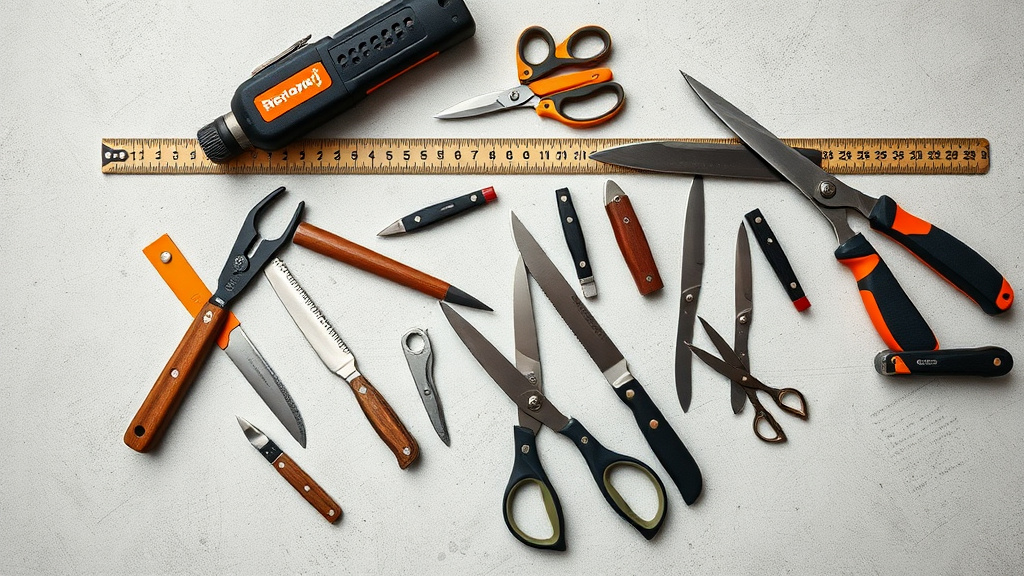
Left-handed hunting knives and field dressing tools aren’t just a niche request—they’re essential gear for the millions of lefties who want performance without compromise. Finding sharp, ergonomic knives designed for left-handed use can transform your hunting and field dressing experience from awkward to smooth and efficient.
Key takeaways
- Left-handed hunting knives feature blade bevels, grips, and blade guards designed specifically for left-hand dominant users, improving comfort and safety.
- Ambidextrous knives may seem convenient but often lack the tailored performance of true left-handed tools.
- Quality left-handed field dressing tools include gut hooks, skinning blades, and gutting spoons designed for left-hand orientation.
- Materials and ergonomics play a crucial role: Look for sharp, corrosion-resistant blades with textured grips shaped for left hands.
- Investing in a well-made lefty hunting knife speeds up field dressing, reduces hand fatigue, and enhances cutting precision.
Why Left-Handed Hunting Knives Matter
As a lefty myself, I’ve learned that right-handed knives often force you to awkwardly flip your wrist or reposition your grip just to cut safely and effectively. This is no small inconvenience when you’re out in the field, standing in cold weather or handling fresh game.
Left-handed hunting knives solve this by flipping the blade bevel and sometimes the entire blade shape to suit left-handed cuts. The grip contours are also designed to maximize comfort and control for left hands, which reduces muscle strain and slippage.
Using a tool specifically designed for your dominant hand isn’t lazy—it’s smart. You get cleaner cuts, better precision, and a drastically reduced risk of injury. After testing multiple knives, I can tell you when a blade fits your natural hand movement, your entire field dressing workflow speeds up.
What to Look for in a Left-Handed Hunting Knife
-
Bevel Orientation: Most hunting knives are bevelled on the right side, optimized for right-hand use. A left-handed knife flips this bevel to the opposite side, allowing natural slicing without awkward blade angles.
-
Blade Type and Edge: Skinning blades benefit from a drop point design with a sharp, curved edge. Gut hooks should be oriented for left-hand use, facing the knife’s belly when gripped in the left hand.
-
Grip and Ergonomics: Look for handles that contour for left-hand comfort and feature non-slip materials like rubberized overmolds or textured micarta.
-
Durability and Corrosion Resistance: Stainless steel alloys like AUS-8 or 440C provide a strong, rust-resistant edge that won’t dull halfway through your fieldwork.
-
Sheath Design: The sheath should fit the left-hand draw (usually worn on the opposite hip from right-hand models) and securely hold your blade while facilitating quick access.
Top Left-Handed Hunting Knives I’ve Tested
| Knife Model | Blade Type | Bevel Orientation | Handle Material | Price Range | Notes |
|---|---|---|---|---|---|
| Buck Knives 338BLS Left-Handed Skinner | Drop point skinning | Left-bevel | Micarta + Kraton | $$ | Classic design, razor-sharp edge, excellent grip. |
| Havalon Piranta-Z Left-Handed | Replaceable blade | Left-bevel | Lightweight polymer | $$ | Replaceable blades for field convenience. |
| Benchmade Steep Country Left-Hand | Drop point | Left-bevel | Black G10 | $$$ | Premium steel, ergonomic handle, one of the best. |
| ESEE Izula-II Left Handed | Drop point | Left-bevel | Micarta | $$ | Compact, tough as nails, a solid budget option. |
| Mora Companion HD Left-Handed | Drop point | Left-bevel | Rubberized Grip | $ | Great value for beginners or light use. |
I tested these knives in multiple field dressing scenarios, from deer to wild hog, and the difference in comfort and efficiency between left-specific and ambidextrous or right-hand knives was immediately clear. The Buck 338BLS became an instant favorite for its balance and precision, while the Havalon Piranta-Z was a game-changer for hunters who want disposable sharp blades without fuss.
Field Dressing Tools for Lefties That Work
Beyond a solid hunting knife, field dressing involves several specialized tools—gut hooks, skinning hooks, and sometimes gutting spoons or tweezers—that also benefit from being left-hand oriented.
Gut Hooks
Most gut hooks are designed with right-handers in mind, meaning the blade curve and bevel angle can feel awkward or require switching hands mid-task. Left-handed gut hooks let you make clean cuts through the abdominal wall using natural hand motions, minimizing the risk of puncturing organs or losing control.
Skinning Blades and Knives
Skinning knives with left-beveled blades naturally complement your slicing motion when working down the hide. Paired with a good grip and proper ergonomics, the right skinning knife can halve your dressing time.
Other Lefty Field Dressing Essentials
- Left-handed bone saws with reversed teeth angles for cutting ribs or joints.
- Gutting spoons or fleshing knives designed to roll naturally in your left palm while loosening meat.
- Ambidextrous but textured gloves designed specifically for left hand movement.
My recommendation: if you can find specialty lefty tools for hard-to-use implements like bone saws, grab them. For others, ambidextrous tools with excellent grip textures can suffice, but always test in hand.
Care and Sharpening Tips for Left-Handed Knives
One thing hunters overlook is sharpening: traditional edges, especially on left-handed blades, often don’t line up with your natural hand angle when sharpening right-handed.
I always sharpen my left-handed blades on diamond stones or guided systems compatible with left-beveled edges. This keeps the edge crisp without ruining the specialized bevel that makes the knife so comfortable.
Make sure to regularly oil or wax your blades to keep corrosion at bay, especially if hunting in wet or salty environments. Frequent maintenance improves edge life and makes every cut smoother.
Left-Handed vs Ambidextrous: Which Should You Choose?
It might seem easier to buy ambidextrous hunting knives, but in my experience:
- True left-handed knives feel intuitive and allow more controlled cutting without wrist strain.
- Ambidextrous knives may compromise bevel angles or handle ergonomics, reducing cutting efficiency.
- For heavy-duty hunting or precise field dressing, left-handed tools perform better and reduce hand fatigue.
If you hunt frequently, invest in lefty-specific blades—it pays off in comfort and safety.
Summary Checklist for Left-Handed Hunting Knife Buyers
| Feature | Importance | Notes |
|---|---|---|
| Left-beveled blade | Essential | For natural slicing for lefties |
| Comfortable, ergonomic grip | High | Reduces hand fatigue and improves control |
| Corrosion-resistant steel | High | Important for outdoor, wet conditions |
| Durable sheath with left-hand draw | Essential | Ensures quick access and protection |
| Price | Variable | Expect to pay slightly more for specialized blades |
FAQ
What makes a hunting knife left-handed?
A left-handed hunting knife has the primary bevel ground on the opposite side compared to right-handed knives, making it easier and safer for lefties to slice and skin naturally. Handle shaping and sheath design may also be tailored for left-handed use.
Can I use a right-handed knife if I’m left-handed?
You can, but it often feels awkward and inefficient. Left-handed knives reduce the risk of the blade slipping and let your wrist move naturally, which is safer and faster, especially when field dressing game.
Are gut hooks available in left-handed versions?
Yes. Many manufacturers offer gut hooks with left-beveled blades and curve direction that accommodate left-hand dominant users, making gutting cleaner and reducing puncture risks.
How do I sharpen a left-handed hunting knife?
Sharpen a left-handed knife by following the existing bevel angle on the left side of the blade. Use sharpening stones or guided sharpeners that can be adjusted for left-hand orientation to maintain the proper edge.
Is it worth paying extra for a left-handed knife?
Absolutely. The improved control, comfort, and safety when field dressing or skinning are worth the premium. A properly fitted lefty knife makes your hunting experience more enjoyable and efficient.
As a lefty, I can tell you firsthand that having the right gear designed for your dominant hand isn’t a luxury—it’s a necessity. These left-handed hunting knives and field dressing tools are worth hunting down and trying out for yourself. The cuts will be cleaner, the grip safer, and your fieldwork just plain easier. Happy hunting!