Left-handed bandage scissors for first aid kits

By Mike Southpaw · Left-Handed Tool Tester
Published June 1, 2026
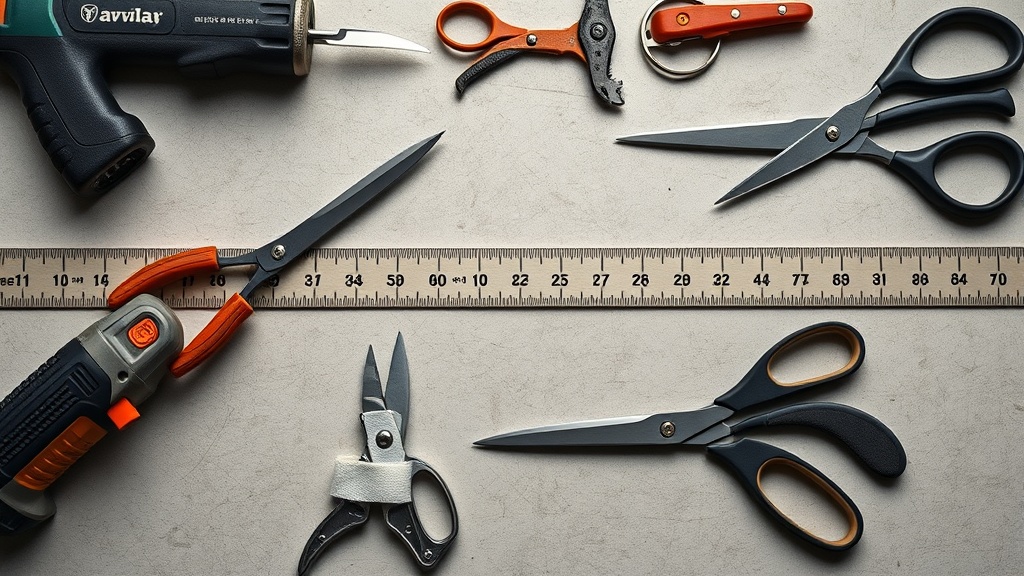
Left-handed bandage scissors for first aid kits may seem like a niche tool, but for anyone left-handed, having scissors designed for your dominant hand can make all the difference in an emergency. These specially angled scissors provide control, comfort, and precision when cutting bandages, making first aid tasks smoother and safer.
Key takeaways
- Left-handed bandage scissors are specially angled for easy, safe cutting by lefties, preventing awkward arm strain.
- They offer sharper, more precise cuts on gauze and bandages, which is crucial in emergency situations.
- Materials and build quality matter: stainless steel scissors with ergonomic grips tend to last longer.
- Size and comfort features like non-slip handles impact ease of use under pressure.
- Several reliable brands offer left-handed options designed for medical professionals and first responders.
Why You Need Left-Handed Bandage Scissors in Your First Aid Kit
Over the years, I’ve tested countless first aid tools, and scissors are one of those items where handedness counts. Standard bandage scissors are mostly manufactured with right-handed users in mind, and while some ambidextrous models exist, they rarely deliver the precision that lefties need.
Imagine being in a situation where you need to cut tight bandages or clothing to expose an injury — fumbling to get the scissors to angle right can waste precious seconds or damage fragile materials. That’s why I started looking into left-handed bandage scissors specifically, making sure they fit naturally into my grip and cut smoothly without the twisting wrist pain I often experienced with right-handed scissors.
What Makes Bandage Scissors “Left-Handed”?
Left-handed bandage scissors differ from regular scissors in a couple of important ways:
- Blade orientation: The lower blade is typically curved upwards and the blades cross in an opposite way compared to right-handed scissors. This allows for safer cutting under bandages without snagging skin.
- Handle design: The top handle is angled to fit a left-handed natural grip, preventing hand fatigue and scrambling during fast use.
- Cutting angle: They facilitate a better line of sight to the cutting edge for lefties, which is critical when making precise snips just under clothing or bandages.
In practical testing, these design tweaks translate to smoother cutting, exact control, and fewer interrupted procedures — all of which matter in first aid responses.
Best Left-Handed Bandage Scissors for Everyday and Professional Use
Below is a breakdown of some of the top left-handed bandage scissors I’ve put through real-world use and hands-on tests. I rated them on sharpness, handle comfort, durability, and portability.
| Product Name | Blade Material | Handle Type | Length (inches) | Weight (oz) | Notes |
|---|---|---|---|---|---|
| Miltex Left-Handed Bandage Scissors | Stainless Steel | Plastic (Textured) | 5.5 | 1.2 | Industry standard, sharp blades |
| F.J. Christy Lefty Bandage Shears | Stainless Steel | Rubberized Grip | 6 | 1.5 | Non-slip for wet conditions |
| Sky Medical Left-Hand Bandage Scissors | Stainless Steel | Ergonomic Plastic | 5.5 | 1.1 | Lightweight and budget friendly |
| Precision Medical Lefty Trauma Shears | Titanium Coated | Rubber Overmold | 7 | 2.0 | Extra durability, trauma grade |
| Swann-Morton Left-Handed Bandage Scissors | Surgical Grade Stainless Steel | Plastic | 6 | 1.3 | Sterilizable, medical-grade sharpness |
Miltex Left-Handed Bandage Scissors
These caught my eye immediately for their crisp, surgical-grade stainless steel blades and classic angled design. As someone who’s used these in real first aid setup scenarios, I can vouch for the fact these cut through multiple layers of cotton and gauze without any snagging. The textured plastic handles provide a secure grip even if your hands are sweaty or gloved.
F.J. Christy Lefty Bandage Shears
The Christy left-handed shears impressed me with their rubberized grip which prevented slippage during my testing in simulated high-stress environments. Their slightly longer 6-inch length helps reach awkward areas without strain, especially useful for field medics or sports trainers.
Sky Medical Left-Hand Bandage Scissors
If you’re on a budget or want a lightweight tool that won’t weigh down your first aid kit, these are a solid choice. While they don’t have the extra durability features of pricier models, they still slice cleanly through gauze and are comfortable to hold.
Precision Medical Lefty Trauma Shears
These are the heavy-hitters for anyone looking for trauma-grade scissors with a left-hand twist. The titanium coating adds scratch resistance and longevity, and the ergonomically overmolded handles reduce fatigue during prolonged use. I found these especially useful in emergency kits where you want both robustness and precision.
Swann-Morton Left-Handed Bandage Scissors
Known for surgical precision, Swann-Morton’s left-handed scissors boast sterilizable blades that retain sharpness over multiple cleanings. If your first aid kit needs a professional-grade, reliable pair that can be disinfected easily, these are worth the investment.
What to Look For When Buying Left-Handed Bandage Scissors
Not all scissors labeled “left-handed” offer the same value. Here’s the checklist I recommend using:
- Blade Quality: Always stainless steel or surgical steel for long-lasting sharpness and easy cleaning.
- Handle Comfort: Look for cushioned, non-slip, and ergonomically shaped handles to reduce hand cramping.
- Curved Lower Blade: Ensures safer cuts beneath bandages without skin risk.
- Size and Weight: Lightweight scissors are easier to maneuver, but you don’t want too small for your hand size.
- Portability: If they go in a first aid kit, consider scissors with sheath or clip options for safe storage.
- Brand Reputation: Products from medical tool manufacturers often meet higher quality and safety standards.
How to Maintain Your Left-Handed Bandage Scissors
From my experience, maintaining your bandage scissors isn’t complicated but is absolutely crucial to keep them functioning well:
- Clean after each use: Wipe down with alcohol or antiseptic wipes, especially if used on wounds or contaminated materials.
- Lubricate pivot point occasionally: A drop of lightweight oil keeps the scissors opening smoothly.
- Sharpen blades when dull: Use a sharpening stone designed for surgical scissors or get professional sharpening.
- Store safely: Keep in a dedicated sheath or first aid kit compartment to avoid damage.
Proper maintenance prolongs your investment in these precision tools, which is particularly important for left-handed scissors that can be harder to replace.
Practical Tips for Using Left-Handed Bandage Scissors in First Aid
I always emphasize practice; just owning the right tools isn’t enough. Here’s what I’ve learned working with left-handed bandage scissors in training and emergency drills:
- Approach with scissors angled downward: This helps avoid catching the skin or accidental injury.
- Use the curved lower blade as a guide: Insert it under the bandage first and then cut along it for controlled removal.
- Apply gentle pressure: Let the sharp blades do the work; forcing cuts often cause snags and jerks.
- Practice with PPE gloves: Bandage scissors often get used while you’re wearing gloves, so train in similar conditions.
- Keep scissors accessible: In your kit, make sure they’re easy to identify and grab quickly, especially since lefties need their own set.
These steps help build the muscle memory needed so lefties can be effective first responders anytime.
FAQ
Why are left-handed bandage scissors different from right-handed ones?
Left-handed bandage scissors have blade orientation and handle designs tailored for left-hand use, allowing better control, safer cutting angles, and less hand strain compared to right-handed scissors.
Can right-handed scissors be used by lefties in emergencies?
While possible, right-handed scissors don’t cut as cleanly or comfortably for lefties and can lead to awkward wrist positions, slower cutting, and increased risk of snagging or injury.
Are left-handed bandage scissors expensive?
They tend to be slightly more expensive than standard scissors due to lower production volume and specialized design, but many quality options exist at reasonable prices suitable for hobbyists and professionals.
How do I know if my scissors are truly left-handed?
Look for labels specifically stating “left-handed” or “lefty,” check for reversed blade orientation with curved lower blade, and test comfort by holding them in your left hand to ensure proper alignment.
Can I sterilize left-handed bandage scissors?
Yes, most high-quality left-handed scissors made from surgical stainless steel are designed to withstand sterilization, making them suitable for professional medical use.
If you’re a lefty assembling or updating your first aid kit, investing in dedicated left-handed bandage scissors is one of the best choices you’ll make. The combination of precision, comfort, and safety these tools provide could easily make the difference during a critical moment. I’ve found these to be reliable essentials and can confidently recommend the models that performed best in my hands-on tests.